Home Window Tinting: Benefits, Types & Tips
By Henry
January 20, 2026
4 min read
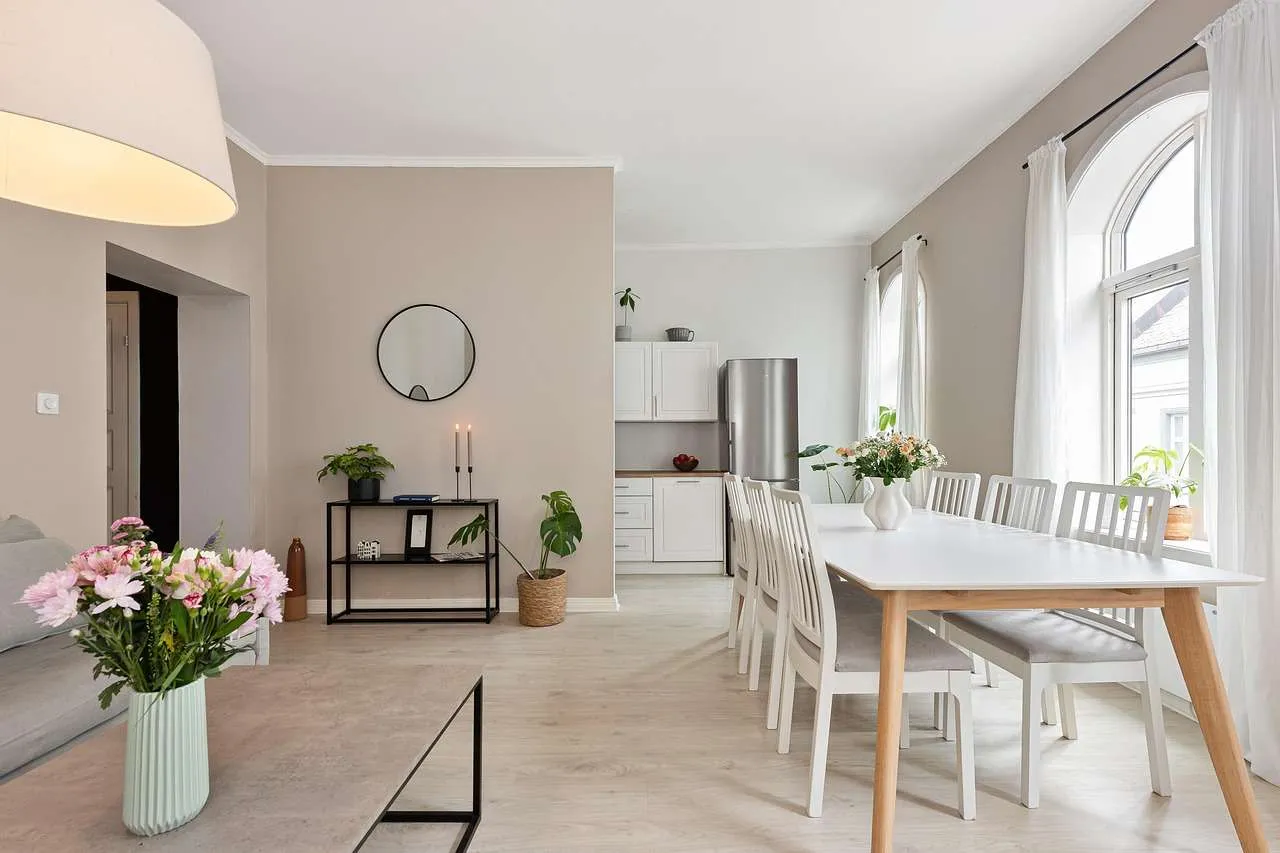
Home window tinting is a practical upgrade that improves comfort, protects interiors, and reduces energy costs. Modern films balance visibility with performance, making it a popular option for residential properties.
What is home window tinting?
Home window tinting refers to applying a thin film to the interior surface of glass windows to reduce heat transfer, block UV light, and increase privacy. Films are designed to preserve natural light while delivering heat rejection, glare control, and protection from fading furniture and flooring. Unlike decorative films, performance films are engineered to enhance comfort and savings across seasons.
Benefits of home window tinting
- Energy savings by reducing heat gain in summer and heat loss in winter.
- UV protection that blocks up to 99 percent of harmful ultraviolet rays, slowing fading of furnishings and carpets.
- Glare reduction for better TV viewing, computer work, and driving from inside the home.
- Improved privacy without sacrificing daylight.
- Added safety and shatter resistance in case of breakage; some films hold shards in place.
- Enhanced comfort and reduced hot spots in sun-exposed rooms.
Common tint types
| Type | What it is | Pros | Cons | Typical VLT | Estimated cost per sq ft |
|---|---|---|---|---|---|
| Dyed | Colored dye in a plastic layer | Low cost, good privacy | Color can fade; moderate heat rejection | 5–50% | 3–6 USD |
| Metalized | Metal layers for reflective properties | Strong heat rejection, glare control | May interfere with electronics; can appear mirrored | 5–60% | 5–9 USD |
| Ceramic | Nonconductive ceramic particles | Excellent heat rejection, no signal interference | Higher cost | 30–70% | 8–12 USD |
| Carbon | Carbon-based film | Good heat rejection, maintains color | Higher cost | 40–75% | 6–12 USD |
Choosing the right tint
When selecting a tint, start with your climate and goals. In hot sunny homes, prioritize high heat rejection and adequate visible light transmission to avoid dark interiors. If privacy is important, balance the VLT to maintain daytime privacy while preserving night visibility. Check labels for visible light transmission (VLT) and solar heat gain coefficient (SHGC) figures, and verify color stability to prevent long-term fading. Also consider window orientation and shading from trees or overhangs, as south- and west-facing panes benefit most from higher heat rejection films.
Installation options
Professional installation is recommended for most homes. A certified installer ensures precise cutting, bubble-free adhesion, proper edge sealing, and warranty coverage. DIY films exist, but mistakes can lead to peeled edges, air pockets, or streaks. For renters or temporary needs, removable or fabric-based window films can offer short-term benefits while reducing risk to glass and frames.
Costs and ROI
Total costs depend on window area, film type, and labor. A typical home with several large panes might see total projects ranging from 2000 to 6000 USD, with ceramic and carbon films at the higher end. ROI comes from lower cooling loads, improved comfort, and longer-lasting furnishings. In hot climates, energy savings can materialize within the first year, while other benefits such as glare reduction and privacy persist for many years with warranties often 5 to 15 years.
Legal and HOA considerations
Light transmission and tint darkness are subject to local regulations. Some areas require a minimum VLT for side windows, and HOAs or building codes may impose restrictions on reflective coatings or tint color. Always confirm requirements before purchasing a film and ensure your installer provides compliant products and documentation.
Comparison of tint types
| Type | Pros | Cons | Typical VLT | Estimated cost per sq ft |
|---|---|---|---|---|
| Dyed | Low cost, privacy | Fades over time | 5–50% | 3–6 USD |
| Metalized | Excellent heat rejection | Possible electronics interference | 5–60% | 5–9 USD |
| Ceramic | Top heat rejection, no interference | Higher price | 30–70% | 8–12 USD |
| Carbon | Good heat rejection, stable color | Higher cost | 40–75% | 6–12 USD |
Conclusion
Conclusion, choosing the right home window tinting strategy delivers energy savings, UV protection, privacy, and enhanced comfort; by evaluating climate, window type, film technology, and local rules, homeowners can select a durable film and ensure professional installation for maximum long-term value.